If natural grass gets replaced with synthetic turf that copies its look and feel, then in any outdoor or indoor space, a green carpet appearance becomes possible to achieve, and that too without facing seasonal fading, patchy growth, or the burden of constant watering which real lawns usually demand. Throughout the year, vibrant and even in texture this kind of surface stays, and this is why, in homes, offices and public spaces, it has turned into such a popular choice wherever a fresh, lush look is wanted continuously. Once properly understood are the working of this material, how durable it remains, and the reasons for its wide usage, then clear it becomes why so many people, away from natural lawns, are now moving.
What Makes Synthetic Grass Look So Realistic?
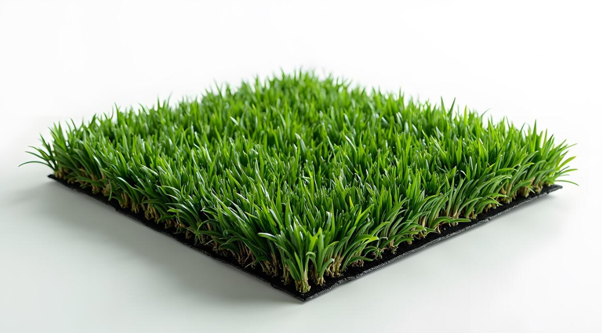
Multiple shades of green fiber, blended together with thatch layers that copy the dead grass found in real lawns, this is how modern synthetic grass gets manufactured for a realistic look. Through this layering technique, depth and texture get created, and because of it, that flat, plastic look, for which older versions of artificial turf were once known, gets avoided.
Among features adding to the realism, these can be found:
- Blade lengths, varying in nature, giving a finish that looks uneven and natural
- A coating resistant to UV, so under sunlight, color fading does not happen
- Fibers soft in feel yet sturdy at the same time, copying how real grass feels
- A backing meant for drainage, so after rain, water pooling gets prevented
Working together, these design elements replicate how a healthy lawn appears, and at the same time, maintenance struggles get removed.
Why Do People Choose Synthetic Grass Over Natural Lawns?
Mowing, watering, fertilizing, and pest control, on a regular basis, all of this gets demanded by natural grass, if healthy it must remain. In regions facing water restrictions or weather that stays unpredictable, expensive and time consuming, the maintaining of a natural lawn can become. Through synthetic alternatives, many such challenges get solved.
Among reasons common for which people choose artificial turf, these get included:
- No mowing or trimming, none of this gets required
- Fertilizers or pesticides, no need remains for them
- Consistent, the appearance stays, no matter what the weather conditions are
- Suitable this becomes, for areas where soil quality stays poor or sunlight low
- Minimal, the upkeep needed stays, while long remains the lifespan offered
Especially useful this makes it, for balconies, rooftops, play areas and such spaces, where growing real grass turns difficult, or at times, even impossible.
How Long Does Synthetic Turf Typically Last?
Mainly, on the quality of materials used and how much foot traffic gets received, the lifespan of synthetic turf depends. If installed correctly, then between eight to fifteen years, most residential grade products tend to last. Also influencing the longevity are factors like exposure to direct sunlight, how good the drainage quality remains, and how dense the fibers stay.
Longer, turf tends to last in areas that stay shaded, since one main cause behind fiber breakdown over time, UV rays happen to be. Through light maintenance done regularly, such as brushing fibers so upright they remain, the overall lifespan can further get extended too.
Is Synthetic Grass Safe for Children and Pets?
For households that think about synthetic turf, one of the biggest concerns remains safety. From materials non toxic in nature, most modern products get designed, in such a way that safely, children and pets can play on them. Included also in many versions is a backing soft and cushioned, reducing how much impact comes from falls, and because of this, suitable they become for playgrounds as well as family gardens.
Into the turf backing, built are drainage systems that help in preventing bacteria buildup or odors unpleasant that come from pet waste, provided that regularly, with water and mild cleaning solutions, the surface gets cleaned.
Does Synthetic Grass Get Hot in Direct Sunlight?
One common concern that remains is heat retention, since more than natural grass, sunlight gets absorbed by synthetic materials. On days turning extremely hot, warmer to touch the surfaces of artificial turf can become, when compared to real lawns. More often, this gets noticed in areas that stay direct and unshaded.
To reduce how much heat builds up, these ways can get considered:
- Fibers lighter in color, since less heat by them gets absorbed
- Turf installed in locations partially shaded
- During hours when sun stays at its peak, cooling the surface with water
Especially in climates that run warmer, comfort wise, a difference quite significant can come from adjustments so small.
How Is Synthetic Grass Installed?
Generally, with a base flat and compacted being prepared first, installation begins, followed then by a layer of crushed stone or sand, added for drainage proper. After this, laid out get the rolls of turf, trimmed according to space, and along edges, secured using pins or adhesive. Carefully joined together, the seams between rolls get handled, so that visible lines do not appear, and ensured this way gets a surface smooth and continuous.
For efficiency in drainage and durability lasting long, essential installation proper becomes, since from a base poorly prepared, uneven surfaces or water pooling over time can result.
Final Thoughts
On the effort that maintaining real grass demands, no longer does achieving a green carpet look natural in appearance need to depend. Because of advancements made in fiber technology, drainage systems, and protection from UV, offered gets an alternative practical, long lasting and visually appealing, through synthetic turf, for homes as well as businesses both. Throughout every season, its ability to stay green and consistent keeps making it a choice preferred, for anyone searching for a solution outdoor and low in maintenance.