Food manufacturing businesses face an unusually demanding combination of operational, regulatory, and workforce challenges. Production processes must consistently meet quality and safety standards while managing cost pressures, supply chain variability, and the competitive intensity of consumer food markets.
Building excellence across these dimensions requires both specialist operational knowledge and strong people management capabilities.
Why Hire a food industry manufacturing consultant
Food production environments combine the general challenges of manufacturing with specific requirements around hygiene, temperature control, allergen management, and traceability that other sectors do not face. Processes that work acceptably in a dry-goods environment may fail to meet food safety standards.
Equipment designed for general manufacturing may not be cleanable to the standards food production requires. An experienced food industry manufacturing consultant brings knowledge of what good looks like in food production environments specifically. They can identify process inefficiencies, equipment selection issues, layout problems that compromise hygiene, and gap areas in quality management systems.
Hiring Workforce Using HR Consultant
Food manufacturing typically relies on a significant proportion of hourly workers in roles that are physically demanding and often repetitive. Recruitment, retention, and management of this workforce presents challenges that are distinct from those in professional services or technology businesses.
High turnover increases training costs, reduces quality consistency, and creates the conditions for food safety errors. Specialist support from an HR consultant with experience in manufacturing environments addresses the specific recruitment, retention, compliance, and culture challenges that this workforce presents.
Integrating Operations and People Strategy
Operational excellence and people excellence are not separate goals. Production systems that are well-designed reduce worker frustration and error. Workforce management practices that treat workers with respect and provide clear development pathways reduce turnover and build the stable, skilled teams that consistent food production quality requires.
Businesses that pursue both dimensions simultaneously achieve results that those focusing on only one dimension consistently fail to match.
Quality Control and Continuous Improvement Systems
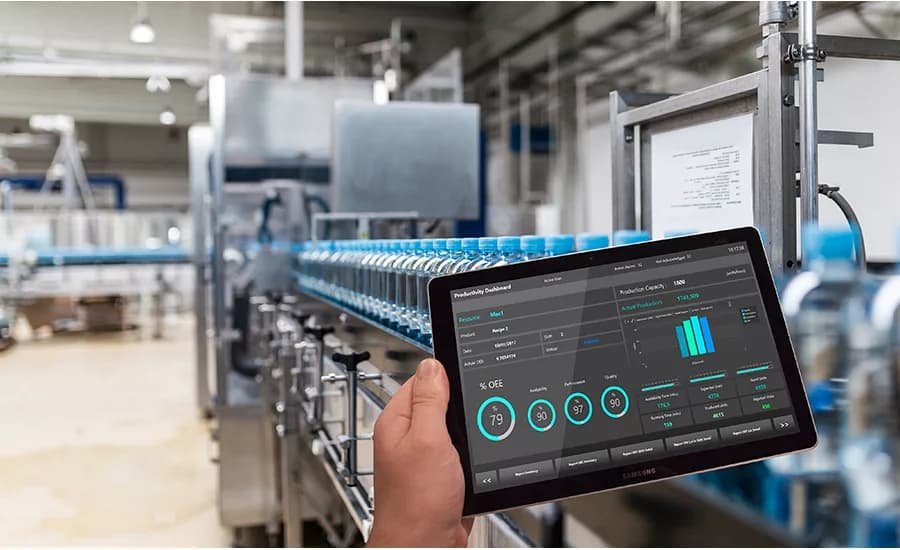
Strong food manufacturing operations rely on consistent quality control at every stage of production. This includes raw material inspection, in-process monitoring, and final product testing before distribution. The goal is not only to detect defects but to prevent them by identifying process variations early.
When quality checks are built into the production line rather than added at the end, problems are caught before they become expensive recalls or customer complaints. Continuous improvement systems such as routine audits, production data tracking, and root-cause analysis help businesses refine processes over time.
Supply Chain Reliability and Ingredient Sourcing
Food manufacturing depends heavily on consistent access to safe, high-quality ingredients. Any disruption in the supply chain can affect production schedules, product consistency, and customer commitments. For this reason, many manufacturers develop relationships with multiple approved suppliers rather than relying on a single source. This reduces vulnerability to shortages, price spikes, or quality variations.
Ingredient traceability is also essential. Knowing where raw materials originate and how they were handled allows manufacturers to respond quickly to safety issues and comply with regulatory requirements. Strong sourcing strategies balance cost efficiency with reliability and quality assurance, ensuring that production can continue smoothly even when external conditions change.