
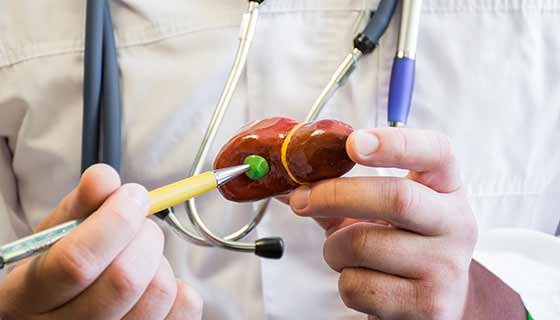
Complications in the gall bladder occur due to an anomaly, such as a birth defect or disorders in the intake of meals. The operations that are used to treat gall bladder problems are most commonly performed to treat residual stones and other complications related to it. The procedures employed in treating gall bladder operations are one of the most commonly carried out treatments worldwide. When an infection or inflammation takes hold of the gall bladder, it damages the bile juice in the body, one of the most necessary components of aiding in digestion.
What Takes Place in a Gallbladder Surgery? How is it diagnosed?
Located below the liver, the gall bladder is a minute organ that stores bile, acting as a digestive fluid. When an inflammation takes place in the gall bladder, a patient experiences acute pain and nausea, leading to severe complications in the digestive tract. However, an accumulation of stones in the gall bladder can also lead to the same. For such cases, removal of the gall bladder becomes a necessary component in aiding the patient with a better digestive tract, accompanied by speedy recovery and a better standard of living. The process of its removal is known as a Cholecystectomy.
In such a surgery, the removal of a disrupted gall bladder becomes important in order to regulate the rest of the bodily functions. When the gall bladder of a person gets imbued with such restraints, it not only disrupts the digestive system. In addition, it becomes responsible for other ailments in the body, like nausea, dizziness, and restlessness. There are a lot of medical practitioners who take special intensive care to rid their patients of suffering from a damaged gall bladder. However, some of the best physician doctor in Noida have taken active steps to work on these surgeries.
The two primary methods of this type of surgery are:
- Laparoscopic Cholecystectomy – It is a minimal surgical procedure that is slightly invasive. The method employs the use of small incisions and a camera.
- Open Cholecystectomy – It is a traditional method of surgery that involves a comparatively larger incision. This procedure is usually reserved for complicated cases.
The differences in this method impact the time of recovery. While laparoscopic surgery allows patients to return to normalcy within 1–2 weeks, open surgery may require 4–6 weeks of healing.
The Time Taken To Recover From A Surgery: Parameters and Variations
It takes a fairly non-uniform duration to recover from a gallbladder surgery. Some of the factors that regulate the process are as follows:
- Variation in Procedures: The laparoscopic system of surgery reduces hospital stays and thus results in a speedy recovery as compared to the open procedure.
- Physical Attributes: A patient’s age and weight become the governing factors of the surgical procedure. However, pre-existing conditions can affect the speed of recovery.
- Post-Surgical Care: The management of pain, health concerns, and adjustments in dietary routines are significant in the very process of these surgeries.
- Guidance of the Physician: The most experienced physician ensures the patient’s modes of recovery by eliminating complications and offering advice catered to the needs of the patient.
Here are a few phases of the recovery window from the surgery:
- During the first 24 to 48 hours post-surgery, pain and fatigue recur in the patient. They are further advised to rest. Moreover, maintaining a steady posture for careful movements is also advisable.
- In the meantime of the first week, the patient gradually returns to a normal diet. Despite this, fast food may still cause discomfort among individuals.
- As soon as the window opens for 2–4 weeks (for laparoscopic surgery), patients resume working and stick to their schedule.
- In the next 4–6 weeks after surgery, patients who undergo an open surgery regain their old body strength.
Precautionary Measures and Dietary Plans
The removal of the gall bladder takes an immense toll on the patient’s well-being. In order to maintain a healthy routine post-operation, it’s necessary to have a regular check-up on health and other activities influencing one’s susceptibility towards a modified form of lifestyle.
Rest and Recovery:
For a patient who has recently undergone gallbladder surgery, one should make sure to have ample rest as required. The first few days may get hectic while following up with episodic pangs of the body’s renewal. However, gradually resuming activities can help in the steady removal of fatigue and weight loss. This helps in the prevention of blood clots by ensuring renewal of tissues.
Balanced Dietary Goals
Having a healthy diet plan can ease the process of recovery. A balanced diet comprising low-fat and rich proteins turns a weak body into a functionally strong one. Fruits and vegetables, paired with whole grains, have always proved to be beneficial in maintaining a regular balance in diet. As a result, the production of bile juice in the liver speeds up the process of digestion. It’s better to break down meals into smaller halves rather than having three a day. In addition, picking the appropriate nutrients for regulated meals breaks down the distribution of minerals more profoundly to heal the body effectively.
Hydration and Medication
Water is one of the most important constituents in making up for the loss of energy after a Cholecystectomy. One should make sure to drink water in adequate amounts as and when required. Additionally, prescribed medications are a must-have. A patient who is advised by the doctor to take medication on time should take it as a mandate. Thus, by staying informed with these few rules and regulations, one can expect to have a speedy recovery when the gall bladder has been removed.
Global Healthcare and Concern
Recovery from a Gallbladder surgery comes with some pros and cons for a certain period of time. However, with a few checks of well-maintained and balanced diets, one shouldn’t get stressed with an upset stomach. A Gallbladder surgery recovery time period may extend from a few months to a few years. There are many countries possessing advanced systems of healthcare units and professional methods of surgery. Between the two methods of Cholecystectomy, laparoscopic surgery is more commonly employed in treatments. Due to its normative outreach, this type of surgery comes with more resources at hand than open surgeries. It’s important to consult a doctor who has expertise on the subject matter. Moreover, dealing with these surgeries requires patience so that it can enhance a smoother recovery, regardless of where a doctor is situated. For these reasons, having the support of an expert physician and medical advisor is crucial in the long run.