Most people think of Stellenbosch Wine Farms as pretty places to drink wine. They miss the point entirely. These estates have become something far more interesting than simple tasting rooms. Winemakers are challenging centuries of tradition. Artists are exhibiting in cellars that smell of oak and fermenting grapes. The story goes deeper than what ends up in your glass.
A Living Heritage
Those whitewashed Cape Dutch buildings look peaceful enough in pictures. Step inside and you’ll find conversations that aren’t quite so serene. Estates are opening their historical archives now. They’re sharing stories that were buried for generations. Some farms have partnered with local communities to start new winemaking projects on their land. The architecture stays the same. The people running these places and the discussions they’re having have changed completely.
Diverse Tasting Experiences
Standard wine tastings follow a predictable script. Someone pours from a predetermined lineup whilst reading flavour notes. The more adventurous farms have abandoned that approach. They’ll take you into the barrel room to taste wine that hasn’t been bottled yet. It’s sharp and unfinished, nothing like what you’d buy in a shop. Some Stellenbosch Wine Farms skip the tasting room altogether. Instead, they walk you through vineyard rows where you taste the actual grapes. You learn how fruit transforms into wine by experiencing it backwards.
Spectacular Natural Settings
The Jonkershoek Mountains do more than provide a scenic backdrop. They trap cool air in a natural basin. Temperatures can plummet at night even when days are sweltering. This dramatic shift gives the wines their distinctive character. Walk through the vineyards early and the vines are still dripping with dew. The soil releases that sharp fynbos smell you won’t encounter anywhere else. Baboons sometimes raid the vines during harvest. It’s not romantic, but it’s real farming in this particular landscape.
Culinary Excellence
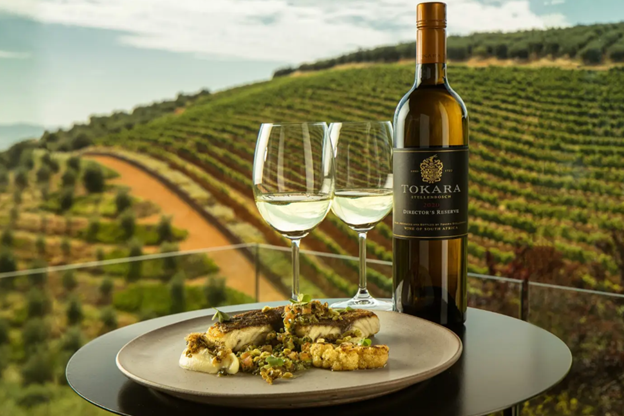
Restaurant chefs and winemakers used to work separately. Now they’re planning together from the start. Vegetables get planted based on which wines will be released in future seasons. Fermentation happens in kitchens as well as cellars. Chefs make kimchi from estate cabbages and sourdough using wild yeasts collected from the vineyard itself. They’re treating the entire property as one connected system. Food and wine develop together rather than meeting on a plate later.
Educational Opportunities
Polished tours tell you about winemaking in theory. Harvest time shows you the reality. Workers sort grapes before sunrise. Winemakers make urgent decisions about picking schedules. The crush period brings organised chaos that no rehearsed presentation can capture. A few estates let visitors participate in actual cellar work now. You’ll punch down cap or help with racking. Your arms will ache and your hands will turn purple. But you’ll understand winemaking in your muscles, not just your head.
Ideal Event Venues
Wedding brochures show perfect vineyard ceremonies bathed in golden light. They don’t mention the tractors that might rumble past during your vows. Harvest schedules won’t shift to accommodate your event date. Yet couples increasingly want these authentic working farms precisely because they’re not sanitised. The stone floors are uneven. The beams show their age. Fermenting grapes create a faint background aroma. These imperfections build atmosphere that pristine venues simply can’t manufacture.
Accessibility and Variety
The famous wine routes attract most visitors. The real discoveries hide in side valleys off the main roads. Small producers work with unusual grape varieties nobody else bothers with. Family operations have quietly perfected a single wine over decades. Experimental winemakers try minimal intervention techniques that larger estates consider too risky. These places rarely appear in tourist guides. But they’re where genuine innovation happens, away from established formulas and commercial pressures.
Conclusion
The compelling aspect of Stellenbosch Wine Farms isn’t what gets photographed most often. It’s tasting unfinished wine directly from barrels. It’s hearing farmers discuss land ownership and historical injustices. It’s discovering how indigenous plant knowledge is reshaping modern viticulture. The region hasn’t resolved its complicated past. That ongoing struggle creates something more interesting than another sunset photograph. The tension between tradition and change produces experiences worth seeking out. That’s the gateway that actually matters.