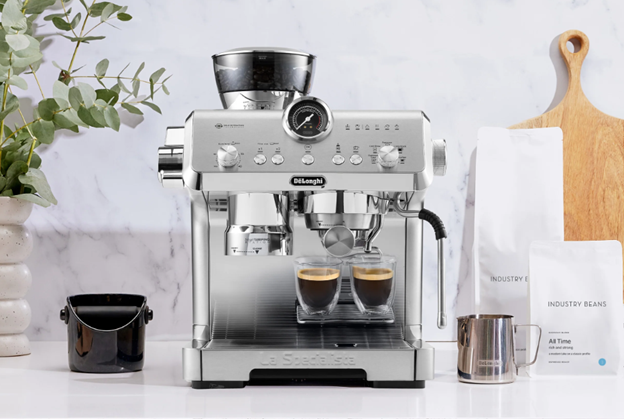
Most people walk into a coffee machine shop thinking they’ll just point at something shiny and take it home. The reality is messier. Pump pressure matters more than the badge on the front. Boiler type determines whether you’re sipping your flat white or still standing in the kitchen waiting for the machine to heat up.
The Grinder Question
Nobody wants to hear this, but your machine is only half the story. A decent grinder paired with a modest espresso machine will absolutely demolish an expensive setup running pre-ground coffee. Good shop staff will actually stop you from overspending on a fancy machine if your grinder situation is terrible. Grind consistency drives extraction. That’s where flavour lives or dies.
Water Chemistry Matters
Your tap water could be sabotaging every cup you make. Specialised shops test local water hardness. They recommend descaling schedules based on your specific area. Melbourne water behaves differently to Brisbane water. Your maintenance routine should reflect that. Some places even stock water treatment solutions for home use. This hyper-local knowledge doesn’t show up in online reviews.
Machine Lifespan Reality
Sales staff at proper retailers will tell you which machines are bulletproof and which ones look gorgeous but fall apart. They watch the same faulty models roll back through their doors. They know which brands quietly changed manufacturers or started using cheaper components. That Italian-sounding brand with the chrome finish? The shop owner knows if it shares a factory with budget models.
The Portafilter Size Trap
Commercial-sized portafilters aren’t just about looking professional. A coffee machine shop assistant can show you why larger portafilters give better temperature stability. They explain why extraction happens more evenly. Product descriptions online skip this detail entirely. You’ll also discover why pressurised baskets are essentially training wheels you’ll eventually outgrow.
Volumetric vs Manual
Automatic volumetric machines promise consistency. They can’t adapt to different beans or roast levels though. Manual machines hand you complete control but demand technique. Knowledgeable staff watch how you approach coffee making. They suggest which system matches your actual personality. Some people crave repeatability. Others love the ritual and accept variation. Neither approach is wrong.
The Milk Texturing Reality
Automatic milk frothers create foam that looks like dishwater. Proper steam wands need practice. Shop demonstrations reveal the actual technique. The angle matters. Pitcher movement matters. There’s a stretching phase and a texturing phase. You can’t learn this from reading a manual. Watching someone create proper microfoam shows exactly why your attempts at home have been producing bubbly disasters.
Regional Parts Availability
Some European brands barely exist in Australia beyond the initial sale. Something breaks and you’re importing parts internationally. Weeks pass while you drink instant. Local shops know which brands have Australian distributors. They know which parts sit on shelves nearby. They know which machines become expensive doorstops when a minor component fails. Unglamorous information, but crucial.
Temperature Surfing Secrets
Single boiler machines require a technique called temperature surfing that nobody explains properly. You pull a shot, then flush water through the group head to cool it down for steaming milk. Then you wait and guess when it’s back to brewing temperature. Shop staff demonstrate the timing involved. They show you the little tricks like listening to the pump sound or watching for specific steam behaviour. Some machines have temperature gauges that lie. Others are surprisingly accurate. You learn which models require constant babysitting and which ones actually maintain stable temperatures.
The Cleaning Chemical Truth
Backflushing sounds straightforward until you’re standing there with the wrong cleaning powder wondering why your gaskets are disintegrating. Different machines need different cleaning chemicals. Some manufacturers void warranties if you use third-party products. Others don’t care. A coffee machine shop keeps cleaning supplies that actually match their machines. Staff explain how often you genuinely need to backflush versus how often the manual suggests it. They’ll tell you which shortcuts are fine and which ones lead to expensive repairs. Some cleaning tablets contain harsh chemicals that work fast but wear out components. Others are gentler but require more frequent use.
Conclusion
The real value of a coffee machine shop lives in the knowledge exchange that happens before money changes hands. Understanding pump mechanics, burr types, and local water chemistry transforms the entire experience. You stop being someone who just buys things. You become someone who understands what they’re actually choosing. Online shopping offers speed and convenience. It can’t replace the moment someone diagnoses why your technique isn’t working or explains which shortcut genuinely helps versus which one ruins everything. That education outlasts the purchase itself.