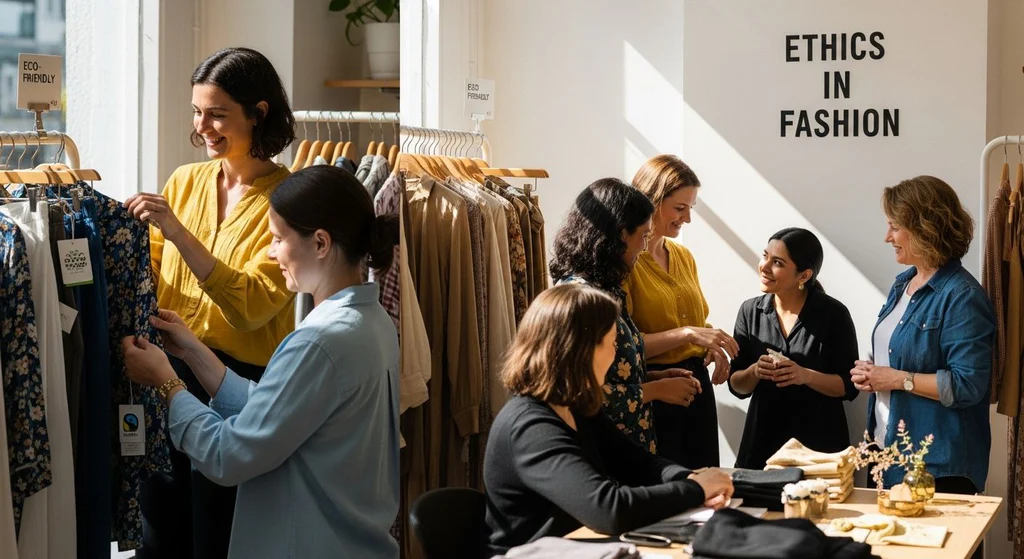
For years, the quest of “fast fashion” has cost the earth and people a great deal. Notwithstanding this, a seismic shift is already under way, notably in the field of women’s fashion as ethical manufacturing is becoming not just a trend but also a basic new standard. Greater consumer understanding, technological advancements, and a growing respect that the true beauty in fashion resides in its purity—from the thread to the last garment—are driving this paradigm transition.
Wholesale Women’s clothing ethical production gives social responsibility and environmental stewardship first priority throughout the complete supply chain. The basic idea guiding ethical production is this one. This all-encompassing plan seeks to make a revolutionary impact on the sector as a whole rather than just following the minimum legal standards.
Priorities Of Fair Labour Practices: People First
Following ethical guidelines guarantees that manufacturing addresses these systematic issues right away by ensuring:
- Offering Fair And Living Wages:
Ethical producers are committed to provide their staff a livable salary, which is enough to cover their personal needs like food, housing, healthcare, and education for their families and themselves. This pay is extra to the minimum pay. Thanks to this, garment workers—the majority of whom are women—have the chance to improve their quality of life and interrupt poverty cycles.
- Giving A Safe And Healthy Workplace:
For manufacturers committed to moral business conduct, worker safety is the first concern. Additionally vital are adequately illuminated and ventilated offices. Apart from this, it entails following guidelines on fire safety and carrying building integrity inspections to prevent tragedies like Rana Plaza.
- Reasonable Working Hours And Overtime Follow:
In the fast fashion business, a common practice is to demand staff members to work long hours and extra overtime to reach strict deadlines. This requirement cannot be matched by ethical manufacturing. It ensures that employees observe statutory holidays, have fair working hours, and take appropriate breaks, therefore fostering a good mix between their personal life and their employment.
- Neither Forced Labour Nor Child Labour Is Acceptable:
Regarding manufacturing that follows ethical guidelines, it is impossible to negotiate the complete prohibition on forced work and child labour. Brands have an obligation to investigate their whole supply chain in great detail to ensure that none of their production depends on these evil practices.
Knowing that the thing they bought was created by skilled artisans handled with dignity and respect gives them an incomprehensible value from the products. Under this approach, a simple purchase becomes equivalent to a pledge of support for social justice and human rights.
Owning Environmental Responsibility To Preserve The Earth
Apart from the human element defining environmental sustainability, ethical manufacturing is tightly linked with it. With waste textiles, chemical pollution, greenhouse gas emissions, and water shortages, the fashion industry is one of the main causes of environmental damage. Ethical actions help to reduce the consequences of this:
- Decline In Water Consumption:
Textile production calls for a lot of water, especially for the dying and finishing treatments. Ethical producers use technologies that preserve water. These technologies greatly reduce the quantity of water consumed: closed-loop systems recycle water, air-dyeing techniques, and digital printing all help to recycle other materials.
- Steering Clear Of Pollution And Cutting Chemical Use:
Conventional dyeing and finishing techniques can call for the use of dangerous chemicals, which might poll waterways and destroy ecosystems. Ethical production gives low-impact, non-toxic, ecologically friendly natural colours first importance. They also use strict wastewater treatment techniques to prevent the discharge of environmentally harmful effluents.
- Building Trust By Means Of Transparency And Traceability:
If ethical manufacturing is to take front stage in the manufacturing sector, transparency and traceability throughout the supply chain are non-negotiable criteria. The customers want to know the manufacturer, the source of their clothes, and the environmental policies followed during manufacturing. Brands are responding with:
- Generate A Supply Chain Map:
Beginning with the suppliers of raw materials and working all the way to the spinners, weavers, dyers, and garment stitchers, ethical firms’ full supply chain is painstakingly mapped out. Their great consciousness helps them to identify and control any ethical and environmental risks at every level.
Using their websites, social media channels, and product labels, more and more businesses are offering thorough details about their production practices, ethical standards, and efforts at sustainability. Some organisations even use blockchain technology to provide data that might be validated on the path of an apparel.
By means of this commitment to transparency, consumers are empowered to make choices guided by the knowledge they possess and consistent with their values.
The Main Factors Are Consumer Demand And Company Capacity To Change
In the field of women’s fashion, the development of ethical manufacturing is not only a moral effort on the side of companies but also a direct response to growing consumer demand. Particularly members of the Millennial and Gen Z generations are conscientious customers ready to pay more for products reflecting their opinions on the preservation of the environment and the support of social justice. Social media has raised awareness of this issue by which consumers may easily investigate companies and hold them accountable for their activities.
Governments also participate in this. Though this tendency may be slower in different nations, there is an increasing push worldwide towards more tight limitations on employment rules and environmental damage. For instance, initiatives organised by the Ministry of Textiles in India and “Make in India” help to encourage ecologically friendly approaches.
Last Thoughts
Women’s fashion is quickly being transformed from a collection of specialised companies into a new industry standard by Women Clothes Manufacturers. This change happens really quickly. It changes the meaning of the words “luxury” and “quality” by stressing not only the genuineness of the story behind a garment but also its beauty. More and more companies are not only redefining the scene of the fashion business but also leading the way for a more responsible, fair, and sustainable future for women’s wear on a worldwide level by embracing fair labour standards, supporting environmental stewardship, and committing to radical transparency. One trendy item at a time, the conscious consumer is voting for a better future by choosing ethically made clothing. This is a very meaningful gesture with great effect.