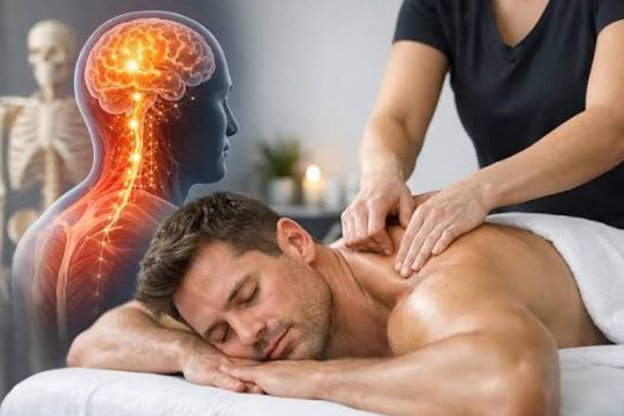
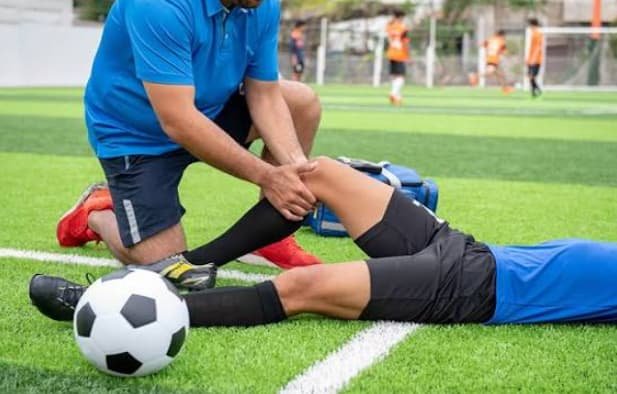
Athletic individuals sometimes face frustrating recovery periods following injury affecting competitive participation. Performance interruption sometimes creates anxiety regarding return-to-sport timelines and capability restoration. Yet specialised rehabilitation expertise now enables achieving successful athletic comebacks through targeted recovery strategies. Injury recovery sometimes requires understanding sport-specific demands and tissue healing progression systematically. Finding appropriate local expertise requires understanding what contemporary practitioners genuinely deliver. Sports injury therapist specialists provide exactly this through rehabilitation protocols addressing athletic requirements. Experienced practitioners understand athletic physiology and performance demands thoroughly. Understanding what genuine sports medicine expertise genuinely delivers helps athletes appreciate possibilities. Those engaging quality practitioners discover recovery transformation through accelerated return enabling competitive participation.
Accelerating Tissue Healing Processes
Recovery timelines sometimes feel prolonged without strategic intervention. Passive approaches sometimes result in slower healing progression affecting return readiness. Professional therapists employ evidence-based techniques accelerating tissue repair. Manual therapy techniques stimulate healing responses within damaged structures. Progressive loading protocols rebuild tissue capacity systematically. Modality application supports inflammation management throughout recovery. Healing acceleration matters substantially for timeline compression. Tissue recovery matters genuinely affecting readiness. Timeline certainty matters profoundly for psychological confidence.
Assessing Sport-Specific Movement Patterns
Generic rehabilitation sometimes overlooks individual sport demands affecting return quality. Standard protocols sometimes fail addressing unique movement requirements. Professional assessment identifies sport-specific movement characteristics. Throwing mechanics analysis addresses overhead athlete requirements. Deceleration patterns evaluation addresses multidirectional sport needs. Landing mechanics assessment prevents re-injury through movement correction. Sport-specific understanding matters substantially for appropriate rehabilitation. Movement expertise matters genuinely affecting success likelihood. Precision matters profoundly for athletic demands.
Building Proprioceptive and Balance Capacity
Proprioceptive deficits sometimes remain unaddressed affecting injury prevention. Balance challenges sometimes persist despite tissue healing completion. Professional rehabilitation develops neuromuscular control systematically. Balance training challenges neural pathways restoring stability. Proprioceptive awareness develops through progressive challenges. Sport-specific balance demands get addressed through realistic scenarios. Balance restoration matters substantially for confidence. Neuromuscular control matters genuinely affecting injury prevention. Stability matters profoundly for performance security.
Creating Graduated Return-to-Sport Protocols
Premature return sometimes results in re-injury complications derailing progress. Overzealous participation sometimes undermines rehabilitation progress. Professional therapists develop individualised return protocols addressing readiness. Progressive activity advancement follows objective performance criteria. Sport simulation begins gradually escalating intensity appropriately. Psychological readiness assessment accompanies physical progression. Protocol adherence matters substantially for safety assurance. Progressive return matters genuinely affecting injury prevention. Graduated approach matters profoundly for success probability.
Addressing Psychological Readiness Factors
Confidence deficits sometimes accompany physical recovery affecting performance. Fear-avoidance sometimes prevents full participation despite tissue healing. Professional practitioners support psychological readiness alongside physical recovery. Confidence building happens through successful graduated challenges. Fear reduction emerges through positive experience accumulation. Mental resilience develops supporting competitive demands. Psychological support matters substantially for holistic recovery. Confidence restoration matters genuinely affecting participation. Mental readiness matters profoundly for performance.
Strengthening Stabilising Muscle Groups
Weakness sometimes persists despite rehabilitation focus. Imbalances sometimes create dysfunction affecting movement quality. Professional strengthening targets supporting musculature comprehensively. Core stabilisation development prevents compensatory patterns. Rotator cuff strengthening prevents shoulder re-injury. Hip abductor development supports lower extremity stability. Strength development matters substantially for capacity. Muscular endurance matters genuinely affecting performance. Resilience matters profoundly for prevention.
Preventing Secondary Injury Development
Compensatory patterns sometimes develop affecting other body areas. Movement dysfunction sometimes spreads throughout the kinetic chain. Professional monitoring identifies emerging patterns preventing complications. Biomechanical analysis reveals movement anomalies early. Preventative adjustments avoid secondary issue development. Holistic assessment addresses the entire movement system. Prevention focus matters substantially for long-term health. Early intervention matters genuinely affect complications. Comprehensive care matters profoundly for sustainability.
Conclusion
Sports injury therapist practitioners transform athletic recovery through specialised rehabilitation enabling competitive return. Tissue healing accelerates through evidence-based techniques. Sport-specific demands receive appropriate assessment attention. Proprioceptive capacity develops through progressive training. Graduated return protocols prevent re-injury complications. Psychological readiness receives concurrent development support. Stabilising muscle groups strengthen comprehensively. Secondary injury prevention receives proactive monitoring. Those engaging quality practitioners discover recovery transformation enabling successful athletic comeback throughout their competitive journeys.