
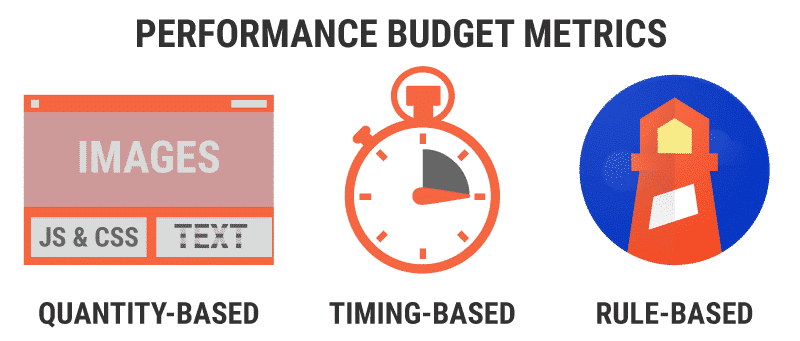
Think of building a high-performance sports car. Engineers know the engine’s limits, the aerodynamics of the body, and the weight of every component. If they overload the vehicle with unnecessary parts, speed and efficiency suffer. Websites and applications face the same challenge. Performance budgets are the engineering limits that ensure your digital product runs like a finely tuned machine, delivering speed and reliability without excess baggage.
By setting clear targets—whether for page load time, JavaScript size, or image weight—you create a framework that keeps user experience fast and friction-free.
What Is a Performance Budget?
A performance budget is a set of rules that define how much “weight” your application can carry before slowing down. It acts like a speed limit on a highway—keeping everyone safe and efficient.
For example, you might set a budget that no page should exceed two seconds of load time, or that images should stay under 200 KB. These limits guide design, development, and deployment decisions, forcing teams to prioritise what truly matters.
Learners exploring advanced concepts in a full-stack developer course often encounter performance budgets as a way to balance creativity with discipline. By working within these boundaries, developers learn to optimise without compromising on functionality.
Why Performance Budgets Matter
A slow digital experience is like waiting at a restaurant while others get served before you—frustrating and unacceptable in today’s competitive landscape. Studies show that users abandon sites that take longer than three seconds to load. Even a one-second delay can lead to measurable drops in conversions.
Performance budgets prevent this by creating accountability. They force teams to regularly measure performance and make trade-offs, such as reducing animation complexity or compressing images to optimise resource usage. The result is not just faster load times but improved customer satisfaction and loyalty.
Setting Effective Budgets
The key to success is setting realistic, actionable budgets. Here’s how to approach it:
- Define Metrics: Decide which performance indicators matter most, such as First Contentful Paint (FCP), Time to Interactive (TTI), or overall page weight.
- Benchmark Performance: Measure your current site performance and compare it to industry standards.
- Set Targets: Create limits for each metric, ensuring they align with both user expectations and technical feasibility.
- Enforce with Tools: Use tools like Lighthouse, WebPageTest, or automated CI pipelines to monitor compliance.
Like fitness goals, budgets should challenge the team but remain attainable. Too lenient, and they won’t drive improvement; too strict, and they’ll demoralise developers.
Meeting Budgets in Practice
Once budgets are set, the real work begins. Teams can adopt practices such as:
- Compressing and lazy-loading images.
- Splitting code into smaller bundles.
- Using caching strategies and Content Delivery Networks (CDNs).
- Removing unused scripts or CSS.
This is where collaboration shines. Designers, developers, and operations teams must align their efforts. Each decision—adding a new library, choosing a video format, or redesigning a layout—should be measured against the budget.
Hands-on projects in structured full-stack developer course environments often simulate these scenarios. Students learn that hitting performance goals is less about drastic sacrifices and more about disciplined, thoughtful trade-offs.
Challenges in Maintaining Budgets
Performance budgets can slip over time. As features are added and teams grow, the discipline of monitoring and enforcing budgets often weakens. Additionally, cross-departmental buy-in can be challenging—marketing may prefer flashy animations, while developers advocate for leaner designs.
The solution lies in embedding performance into the culture. Just as financial budgets are non-negotiable in business, performance budgets must be treated as core constraints, not optional guidelines.
Conclusion
Performance budgets act as the guardrails of modern web development. By setting limits on size, speed, and complexity, they ensure users receive fast and reliable experiences without compromise.
Like engineers building a sports car, developers must respect these boundaries to achieve peak performance. Done right, performance budgets transform websites from sluggish, overloaded vehicles into sleek, high-speed machines that delight users and keep businesses ahead in the race.