Outdoor camps have long served as transformative environments where young people can step away from their traditional classroom desks and immerse themselves in the natural world. Far more than just recreational getaways, these programs provide profound opportunities for personal development, resilience building, and interpersonal connection. As educators and parents continually seek holistic approaches to youth development, the structured wilderness experience stands out as a powerful catalyst for positive change.
Understanding the Power of Experiential Learning
Experiential learning sits at the heart of any effective outdoor camping program. Instead of passively absorbing information, participants actively engage with challenges, solve real-world problems, and reflect on their experiences. This hands-on methodology fosters critical thinking and adaptability. Outdoor Camps : Whether navigating a bushwalking trail or setting up a campsite, participants learn by doing, which significantly enhances memory retention and skill acquisition.
Moreover, the natural environment introduces unpredictable elements that stimulate resourcefulness. When faced with changing weather conditions or physical obstacles, youth quickly realise the importance of staying calm and thinking creatively. These moments of challenge are precisely where deep learning occurs, shaping individuals who are better equipped to handle the complexities of modern life.
Core Benefits of Wilderness Programs
Outdoor Camps : The advantages of participating in structured outdoor excursions extend far beyond physical fitness.
Programs such as specialized school camps sydney offer comprehensive itineraries designed to cultivate essential life skills in a supportive, collaborative setting.
- Teamwork and Communication: Achieving shared goals—such as erecting tents or completing navigation challenges demands clear, respectful communication and active listening among all group memberss.
- Emotional Resilience: Stepping out of one’s comfort zone builds mental toughness. Overcoming initial fears of heights, darkness, or physical exertion instils a deep sense of self-belief.
- Environmental Stewardship: Immersing youth in pristine natural landscapes fosters a genuine appreciation for the environment, encouraging lifelong habits of conservation and ecological mindfulness.
- Digital Detox: Removing screens and digital distractions allows participants to reconnect with the physical world, enhancing their mindfulness and interpersonal social interactions.
Leadership Development: Participants frequently rotate through leadership roles during group tasks, learning how to guide their peers, delegate responsibilities, and make collective decisions under pressure.The Role of Government and Community SupportRecognising the immense value of nature-based education, educational authorities and government bodies actively endorse outdoor learning initiatives.
Institutions such as the Australian Government Department of Education emphasize that physical activity and outdoor engagement are vital components of a well-rounded student curriculum, contributing significantly to overall health and wellbeing.Additionally, community organizations and professional outdoor education providers work closely with schools to ensure that safety standards remain exceptionally high.
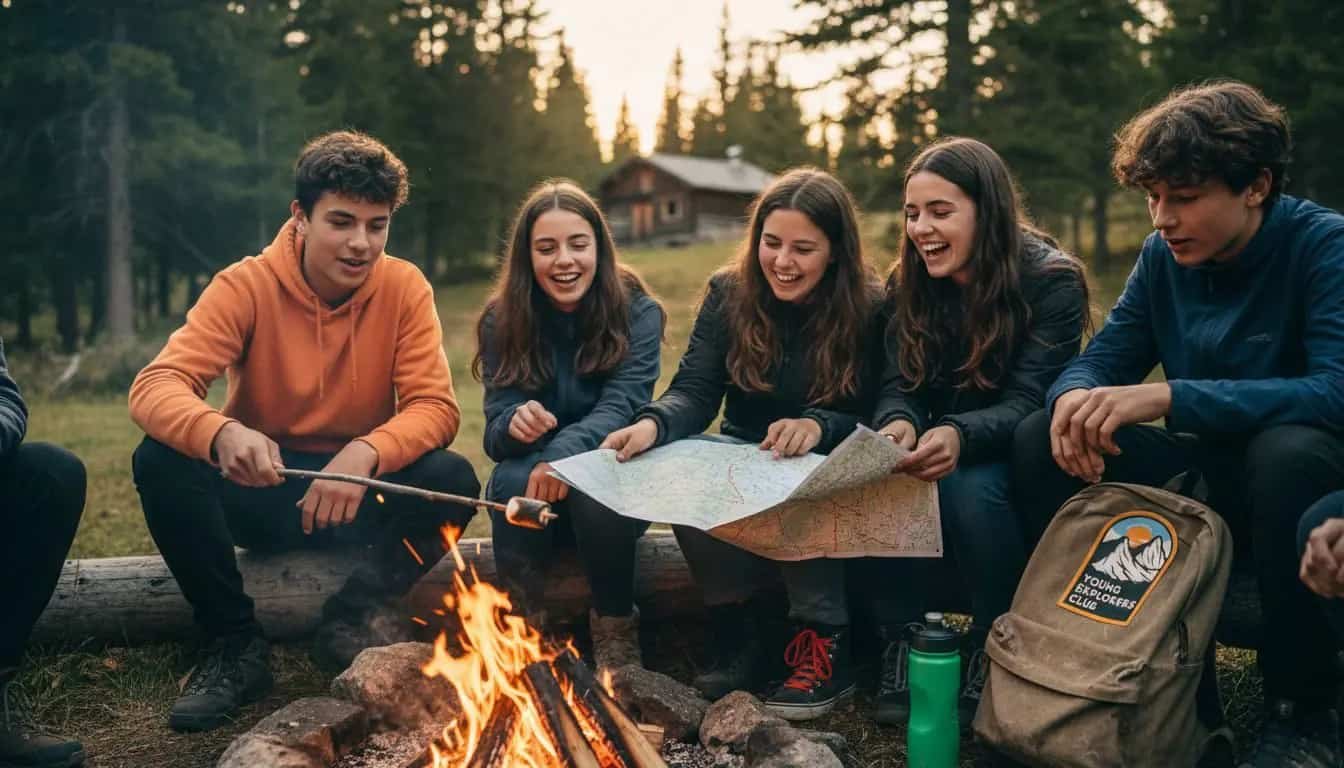
Qualified instructors facilitate activities with meticulous attention to risk management, ensuring that every participant can push their boundaries within a secure and monitored environment.Visualising the Outdoor ExperienceTo truly grasp the dynamic energy and camaraderie fostered during these excursions, visual documentation can be remarkably insightful.
Seeing participants collaborate on ropes courses or debrief around a campfire highlights the psychological safety and community spirit that expert facilitators cultivate. These visual references underscore that outdoor adventures are meticulously planned educational journeys rather than random recreational outings.
Fostering Lifelong Connections Beyond individual skill-building, outdoor camps create an inclusive social fabric that bridges divides among peers. Away from the usual social hierarchies of the classroom, participants interact on a level playing field. Sharing meals, overcoming physical challenges together, and cooperating during evening team-building exercises forge bonds of friendship and mutual respect that frequently last long after the camp concludes.
Ultimately, investing time and resources into comprehensive outdoor programs yields invaluable dividends for youth development. By prioritizing experiential education, communities empower the next generation to navigate future challenges with confidence, empathy, and environmental consciousness.